Smart homes are getting smarter every year. From AI-powered thermostats and voice-controlled lighting to EV chargers and connected appliances, modern buildings are more advanced than ever.
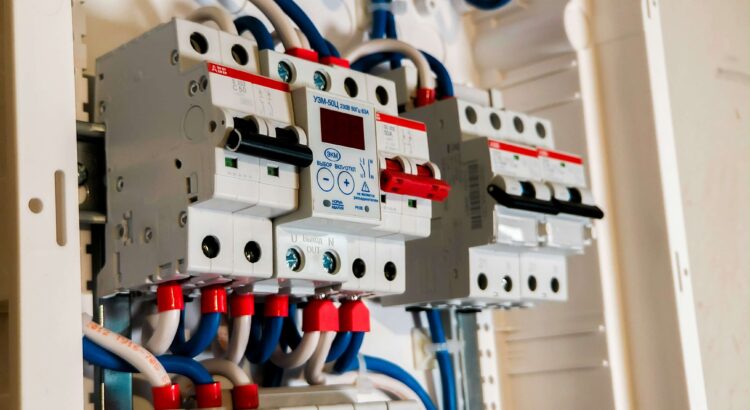
But beneath the surface, many of these environments still rely on electrical systems that were never designed for today’s demand. Without proper electrical compliance and safety checks, these risks often go unnoticed—even in highly automated spaces. As outlined in this guide to electrical compliance for businesses, maintaining safe, code-compliant systems is just as important as adopting new technology.
While smart systems can monitor usage and optimise performance, they don’t replace the need for real-world inspection, maintenance, and compliance.
The Rise Of Smart Infrastructure
Over the past decade, buildings have rapidly evolved into connected ecosystems. Homes and commercial spaces now include:
- Smart panels and energy monitoring systems
- EV charging stations
- Automated lighting and climate control
- High-powered appliances and equipment
This shift has dramatically increased the electrical load on properties—often without corresponding upgrades to the underlying infrastructure.
The Hidden Problem: Outdated Electrical Systems
The reality is that many properties—especially older ones—still operate on wiring, panels, and circuit designs that were installed decades ago.
Common issues include:
- Overloaded circuits due to increased demand
- Outdated fuse boxes or undersized panels
- Improper DIY modifications
- Lack of grounding or surge protection
These aren’t just technical problems—they’re safety risks. According to the National Fire Protection Association (NFPA), electrical failures are a leading cause of structural fires in both residential and commercial buildings.
Where Technology Falls Short
Smart devices are excellent at tracking usage and improving efficiency—but they don’t assess safety in the way a qualified inspection does.
For example:
- A smart meter can show energy spikes, but not faulty wiring
- A home automation system can control devices, but not detect code violations
- Monitoring apps can flag usage trends, but not fire hazards
Even advanced systems lack the ability to physically inspect connections, identify wear and tear, or ensure compliance with electrical codes.
Why Compliance Still Matters
Electrical compliance isn’t just a regulatory box to tick—it’s a critical layer of protection.
Standards and inspections help ensure that:
- Systems can safely handle modern electrical loads
- Installations meet current safety codes
- Potential hazards are identified early
- Insurance and liability risks are reduced
Organisations like the International Association of Electrical Inspectors (IAEI) and the U.S. Consumer Product Safety Commission (CPSC) continue to highlight the importance of regular inspections and adherence to evolving electrical standards.
Bridging The Gap Between Smart Tech And Real-World Safety
The future of smart buildings isn’t just about adding more devices—it’s about integrating technology with robust, compliant infrastructure.
That means:
- Pairing smart systems with regular electrical inspections
- Upgrading panels and circuits to support modern demand
- Ensuring all installations meet current codes
- Treating safety as a foundation—not an afterthought
Technology can enhance how we use electricity, but it can’t replace the fundamentals that keep systems safe.
Conclusion
Smart homes and connected buildings represent a major leap forward in how we live and work. But without the right electrical foundations in place, even the most advanced systems can introduce hidden risks.
The real opportunity lies in combining innovation with compliance—using technology to improve efficiency, while ensuring the infrastructure behind it is safe, reliable, and built to handle the future.
Frequently Asked Questions
Are smart homes automatically safe from electrical issues?
No. Smart devices improve convenience and efficiency, but they do not assess the condition of wiring, panels, or compliance with electrical codes. Underlying infrastructure still needs professional inspection.
Why is electrical compliance important in modern buildings?
Electrical compliance ensures that systems can safely handle current demand, meet legal standards, and reduce risks such as electrical fires, equipment damage, and insurance issues.
Can smart devices detect electrical faults?
Some devices can detect unusual energy usage, but they cannot identify deeper problems such as faulty wiring, loose connections, or outdated panels. These require physical inspection.
How often should electrical systems be inspected?
This depends on the property type, but regular inspections are recommended—especially when adding high-load devices like EV chargers or upgrading systems.
What are common signs of electrical problems in smart homes?
Warning signs include frequent breaker trips, flickering lights, burning smells, buzzing sounds, or devices not functioning correctly. These should be checked immediately.